


Nurture Your Growth,
Heal Your Roots
Trauma & Women's Mental Health Therapy for Women in Florida
Authentic virtual therapy for women navigating trauma, women's health issues, relationships, identity, and the emotional impact of major life experiences.
I particularly work with BIPOC women who want therapy that makes room for the whole picture—including culture, identity, health, relationships, and lived experience.
Your Mental Health Doesn't Exist in a Vacuum.
Sometimes anxiety, depression, irritability, disconnection, or feeling overwhelmed isn't simply about what's happening in your head. Your mental health can be affected by your body, your health, your relationships, your family, your culture, and the experiences you've had throughout your life.
For women, health issues can also affect how you see yourself, how you relate to your body, your relationships, your sexuality, and the way you move through everyday life.
Therapy can help you understand those connections, work through what you've experienced, and figure out what needs to change.
Specialties
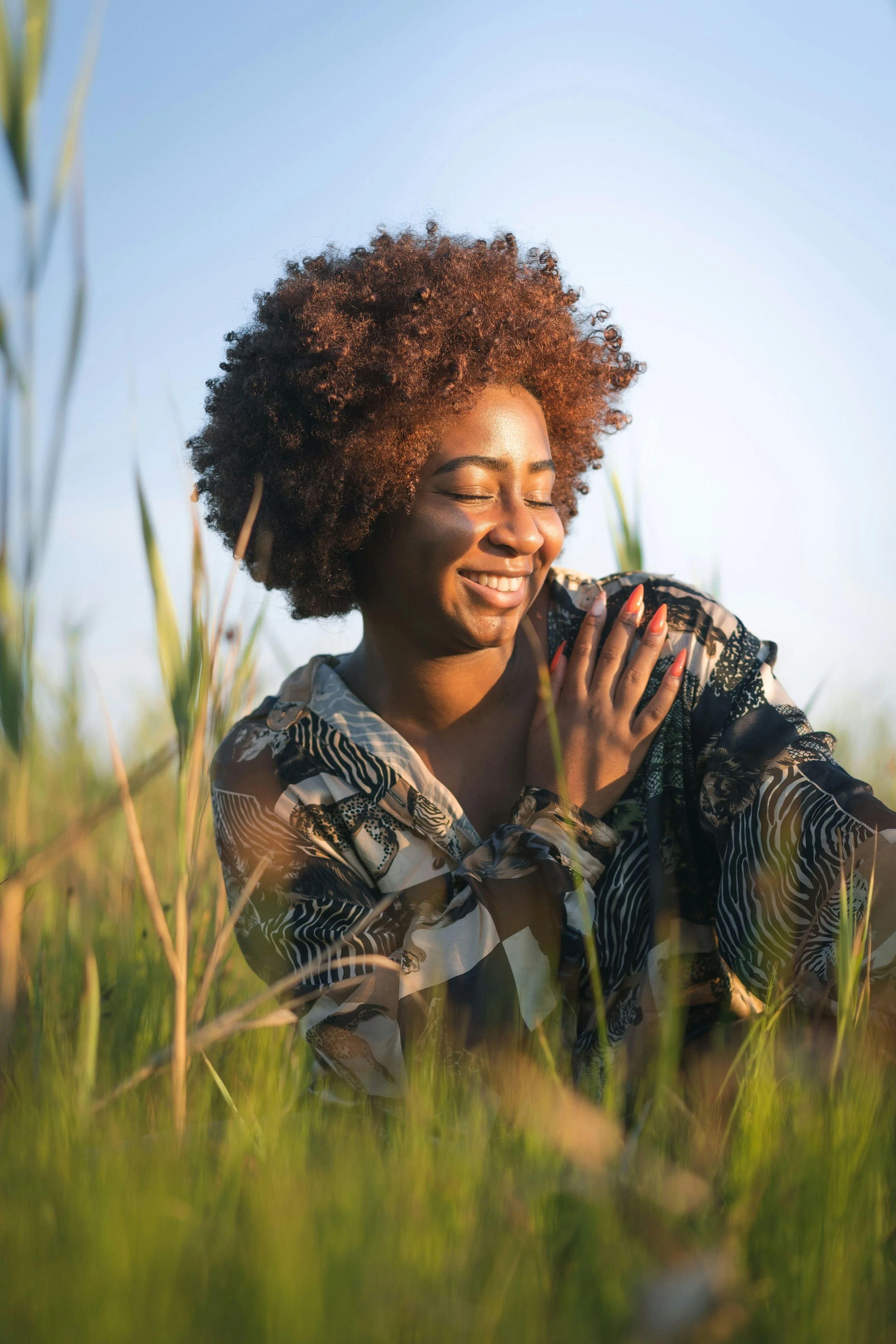
Trauma
Trauma can affect far more than how you remember the past. It can shape your relationships, boundaries, self-esteem, emotional responses, sense of safety, and the way you understand yourself.
Therapy can provide space to process difficult experiences and understand the patterns that may still be affecting your life.
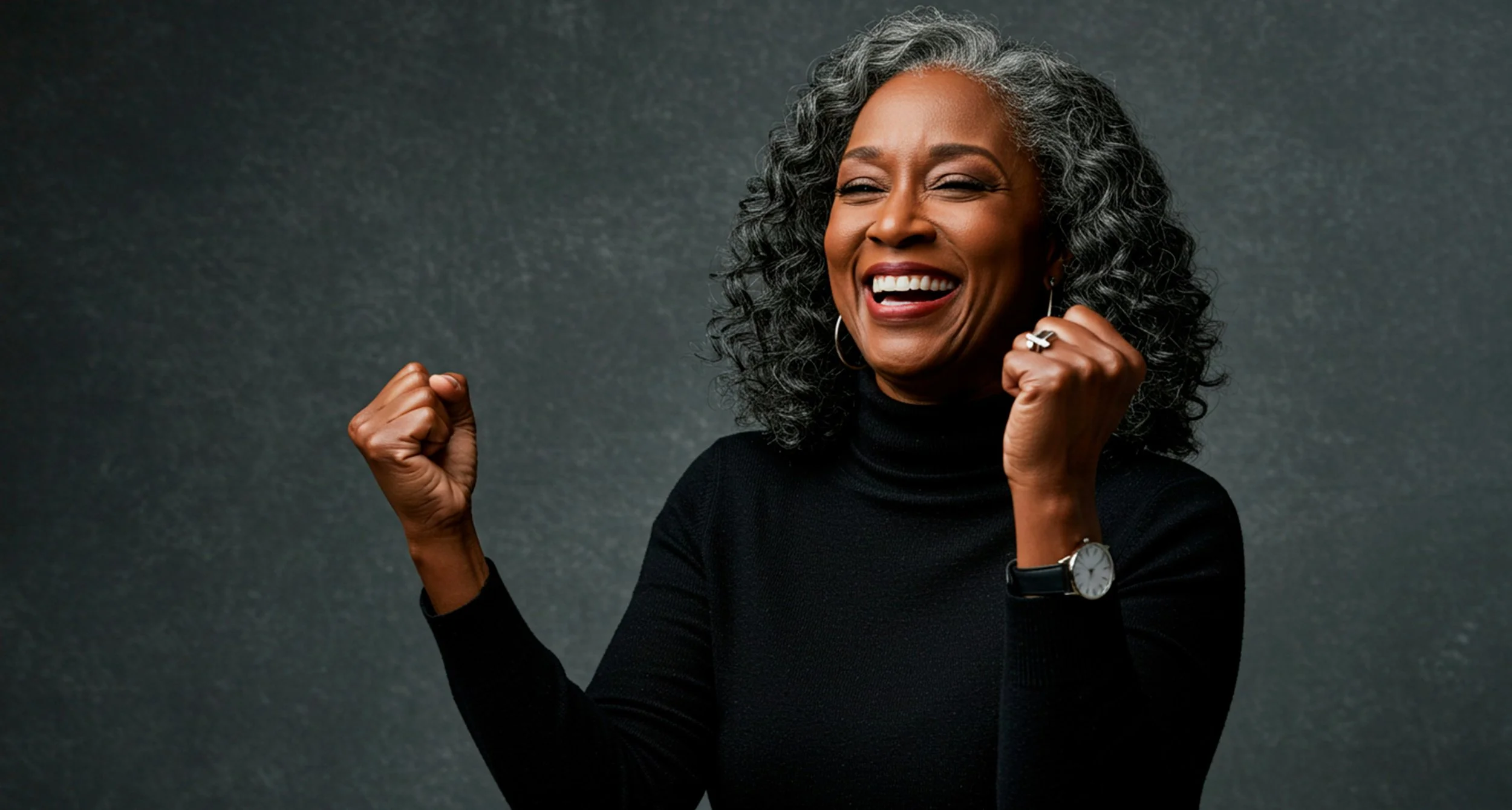
Women’s Mental Health
Women's mental health is about more than anxiety and depression. I work with women navigating the emotional impact of health issues and major life experiences, including PCOS, menopause, hormonal changes, family planning, sexual health, and chronic health conditions.
Together, we can explore how these experiences affect your mood, identity, relationships, self-esteem, and overall well-being.
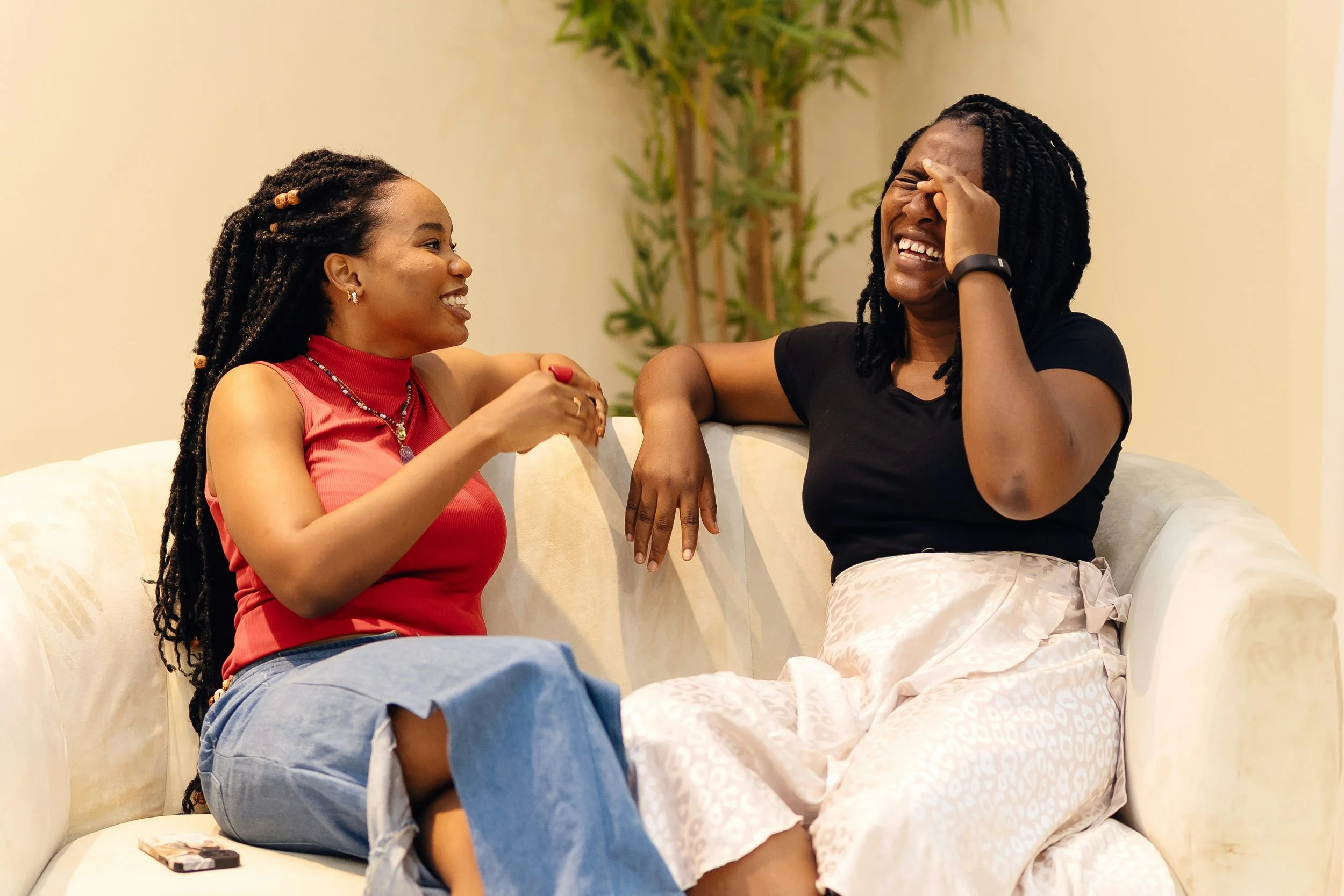
Bipoc Women’s Mental Health
Culture, race, gender, family expectations, healthcare experiences, and social experiences can all influence mental health.
For BIPOC women, these factors may intersect with trauma and women's health in ways that are often overlooked or misunderstood.
Therapy provides space to talk about those experiences without having to separate them from the rest of who you are.
Therapy for Women Who Are Carrying More Than People Realize
You may be functioning, working, taking care of everyone else, and still feel like something isn't right.
You may be:
healing from trauma
a health issue that has changed how you see yourself
dealing with changes in your body or hormones
thinking through family-planning decisions
struggling with intimacy, sexuality, or body image
questioning your identity or relationships
feeling disconnected from yourself
constantly putting yourself last
tired of being told to simply "manage your stress"
Therapy can help you make sense of what you're experiencing and decide what you want to do with that information.

Hi, I'm Sherae.
I'm Sherae Green, LMHC, CCTP, and the founder of Healing Roots Therapy.
I specialize in trauma and women's mental health, with a particular focus on BIPOC women.
My approach is authentic, culturally responsive, collaborative, and sometimes challenging. I believe therapy should give you room to be honest, ask difficult questions, laugh when appropriate, and examine the patterns that may be keeping you stuck.
I don't believe every problem needs to be reduced to a diagnosis or a list of coping skills.
Sometimes we need to look at what happened to you. Sometimes we need to look at what you're experiencing in your body or your health. Sometimes we need to look at your relationships, culture, family, or the expectations you've been carrying.
Usually, it's all connected.

You Don't Have to Figure It All Out by Yourself.
Starting therapy doesn't require you to have the right words or know exactly what you need.
Let's start with a conversation.